
To love a place is not enough. We must find ways to heal it.
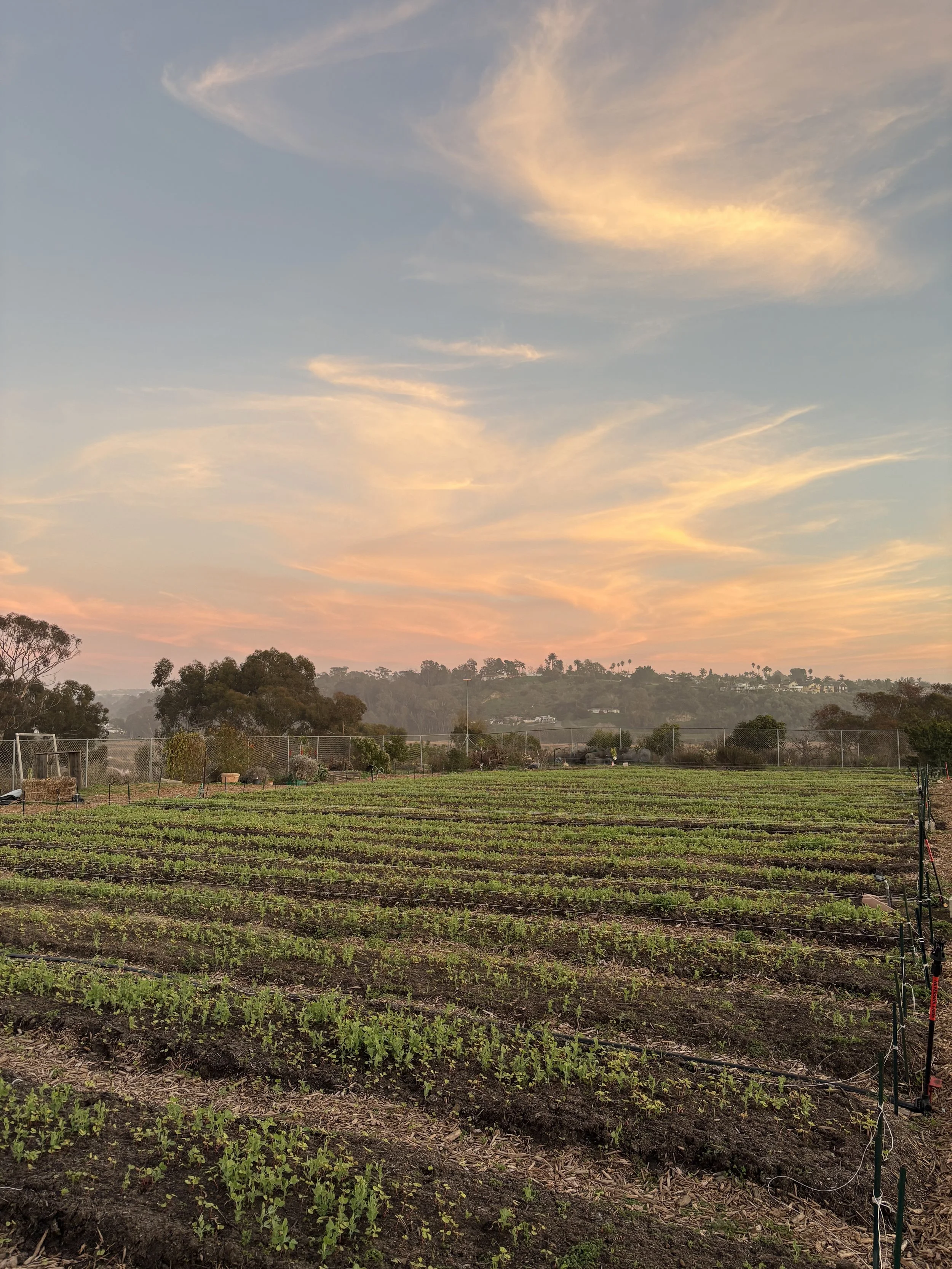
Before we turn the soil, before we plant a single seed, we begin by listening. At Barron Creek Farm in Oceanside, California we take a moment to ask the land for permission. Permission to dig, to use water, to move stones, and to alter the landscape in any way. This practice grounds our work in humility and responsibility reminding us that the land was here long before us and will remain long after.
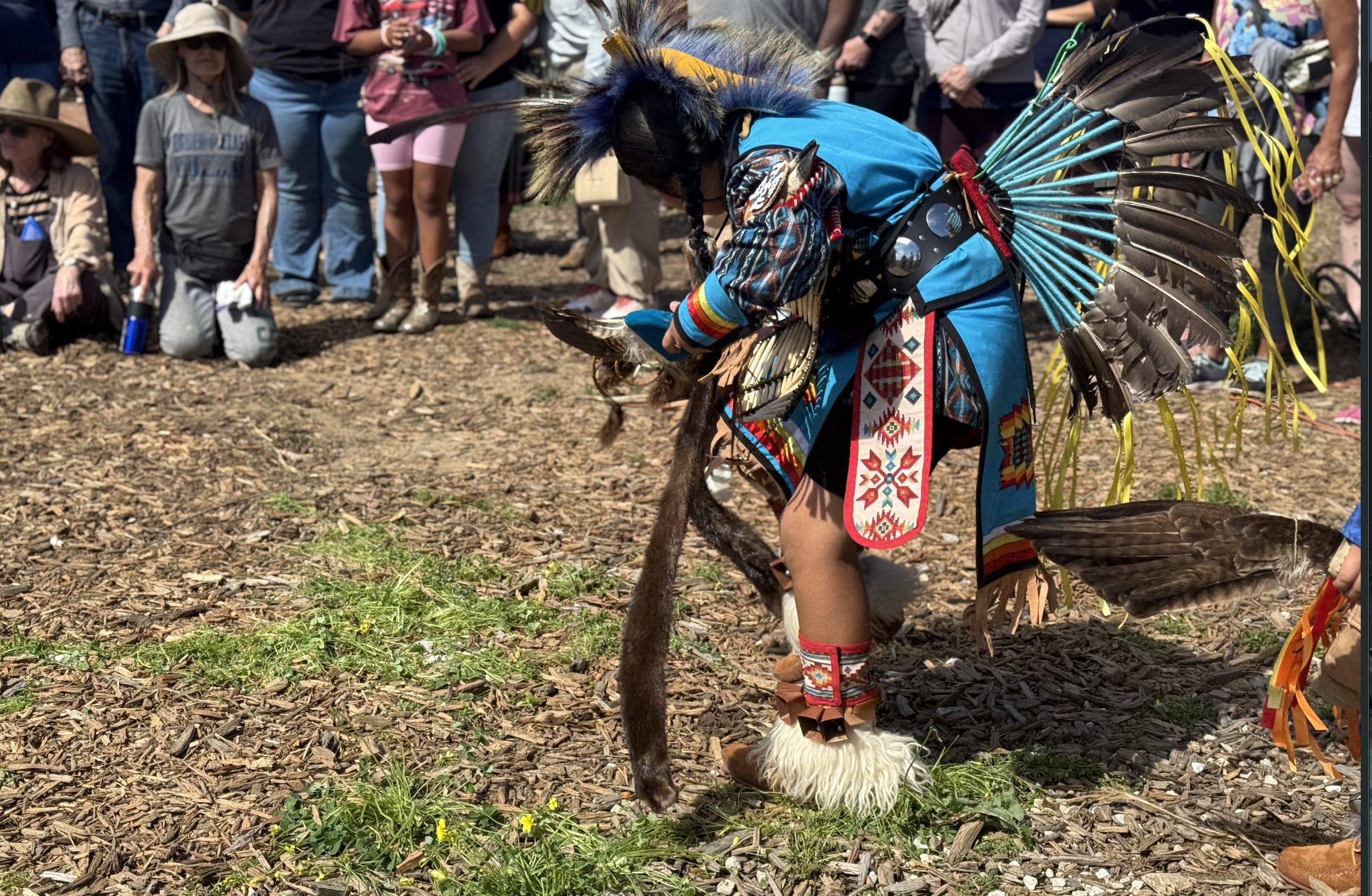
We also understand that a relationship with a place can be practiced with care and consent. Indigenous communities have maintained deep connection with nature through communication reciprocity and responsibility across generations. Learning from Indigenous stewardship around the world reminds us that farming is not only about production. It is about relationship.
Farming as relationship rather than extraction
Modern agriculture is full of labels, including regenerative organic, small-scale, and no till. These practices matter. Yet the deepest form of stewardship begins before method or label. It begins with listening, observing, and responding to what the land needs.
Without a relationship, agriculture can become extractive. Soil is depleted, biodiversity is lost, and ecosystems fall out of balance. We continue to return to a guiding question.
What if relationship rather than yield was the measure of success?
Indigenous agriculture and adapting to place
Robin Wall Kimmerer describes this beautifully in her book Braiding Sweetgrass.
In Indigenous agriculture, plants are modified to fit the land. Modern agriculture often takes the opposite approach and reshapes land to fit uniform crops.
This contrast reminds us to grow in ways that honor place. At Barron Creek Farm we aim to adapt our practices to the land we are in rather than forcing the land to meet a fixed idea of farming.
How stewardship guides our work at Barron Creek Farm
As we establish roots in Oceanside, we observe the rhythms of season and rainfall, including the abundance we have experienced in recent weeks. We choose crops and methods that support diversity, protect soil life, and strengthen local ecosystems.
Our work is small but intentional. It is a commitment to healing land, building resilience, and practicing gratitude through attentive care.
Learning and belonging
Braiding Sweetgrass offers a powerful starting point for anyone interested in land-based wisdom. Kimmerer reminds us that ecological knowledge and cultural memory are deeply connected. Learning to grow food responsibly is also learning how to belong.
An invitation to community
We invite our community to join us in listening, tending, and giving back. When farming is practiced as relationship it becomes more than food production. It becomes a pathway toward healing, connection, and shared flourishing.
Stewardship also extends to people. Being a sustainable farm means helping sustain the community as well. This week we offer gratitude to Indigenous stewards who continue to protect this planet and we commit to learning with humility and respect.